
By the Manila Funeral & Sympathy Flowers team. Reviewed by our funeral arrangement team.
A filipino funeral wake is usually a multi-day vigil where family and friends gather to pray, visit, and support the bereaved. For many people in Metro Manila, the hardest part isn't only the grief. It's also knowing what to do, what to wear, what to send, and how to avoid causing extra stress.
Manila Funeral & Sympathy Flowers has arranged and delivered over 8,000 funeral arrangements across Metro Manila since 2018. This guide is written for first-time attendees, relatives abroad, and families who need practical clarity during a difficult time.
Table of Contents
- Understanding the Filipino Wake (Lamay or Burol)
- Key Customs, Beliefs, and Rituals
- Etiquette for Visitors Attending a Wake
- Choosing and Sending Sympathy Flowers
- How to Order Flowers for a Metro Manila Wake
- A Simple Checklist for Arranging a Tribute
- Frequently Asked Questions
Understanding the Filipino Wake (Lamay or Burol)
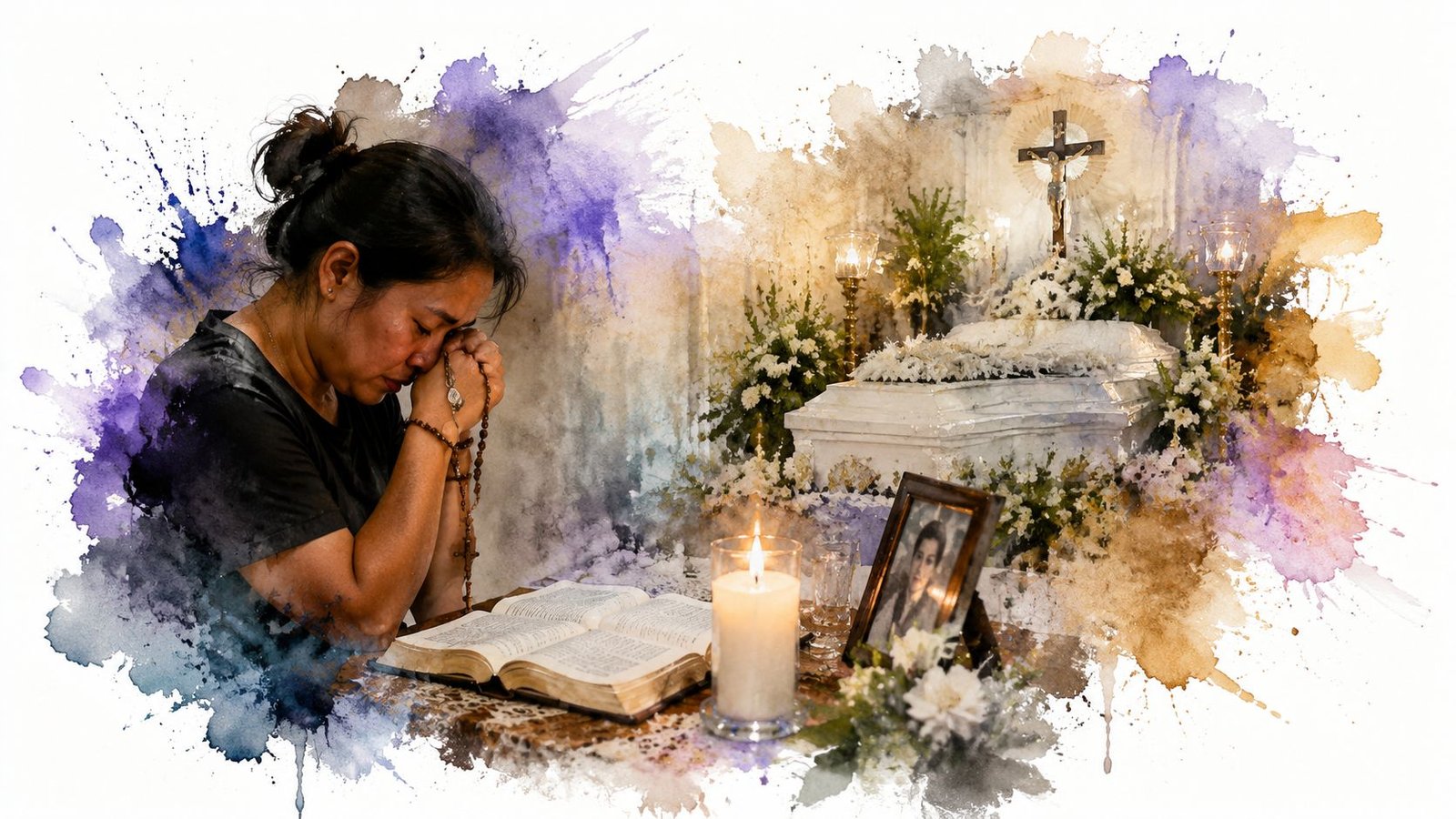
A filipino funeral wake, often called lamay or burol, is a vigil held before burial or cremation where people gather to honour the deceased and support the family. In the Philippines, a Filipino Catholic wake typically lasts 3 to 7 nights, and some families also observe the pasiyam or 9-day novena prayer period, which shapes when people visit and send condolences, as noted in this reference on Philippine wake customs.
What a lamay is and how long it lasts
The wake is not a short viewing. It's an active mourning period with prayer, conversation, practical hosting, and a steady flow of visitors. In many families, someone stays close to the deceased throughout the vigil, and relatives take turns receiving guests.
For first-time attendees, that means the setting may feel more communal than expected. People may be praying the rosary, greeting visitors, serving coffee or food, and catching up with relatives who have travelled in. Grief is present, but so is hospitality.
Practical rule: If the family has announced a wake schedule, follow that exactly. If details are incomplete, ask for the venue, chapel or room name, and the best visiting window before travelling.
Home wake or funeral chapel
The venue changes the feel of the lamay. A home wake often feels more personal and less formal. There may be neighbours coming in and out, family-prepared food, and a setup that runs deep into the night.
A chapel or funeral home usually has tighter procedures. Visitors may find a more structured entrance, designated viewing areas, and stricter space limits for flowers, food, and seating. This matters in Metro Manila, where traffic, parking, building access, and room size all affect the family's experience.
Some common venues families use include Loyola Memorial in Guadalupe Makati or Sucat Parañaque, Arlington in Quezon City, Cosmopolitan in Quezon City, Heritage Park in BGC Taguig, Sanctuarium in Quezon City, and St. Peter Chapels in Pasig.
| Venue type | What usually works well | What often becomes difficult |
|---|---|---|
| Home wake | Larger family presence, personal touches, flexible visiting | Parking, narrow streets, heat, crowd flow |
| Funeral chapel | More organised access, controlled setup, easier formal viewing | Limited floor space, stricter placement rules |
| Funeral home | Staff-managed environment, simpler coordination | Less room for oversized tributes or informal gathering |
What visitors usually encounter
Most visitors are welcomed, offered a seat, and given time to approach the casket or viewing area. Some stay briefly. Others remain for prayers or to support the family late into the evening.
The atmosphere also depends on religion and region. Catholic wakes are the most familiar to many people in Metro Manila, but Iglesia ni Cristo, Born Again, and Protestant families may hold different forms of prayer and memorial practice. The respectful approach is simple. Follow the family's lead, keep clothing subdued, and don't assume every household does things the same way.
Key Customs, Beliefs, and Rituals
Filipino wake customs are shaped by Catholic practice and long-standing pamahiin, or folk beliefs, that still influence what families do during mourning. Many of these customs remain active today, including the pasiyam, the 40th day remembrance, and babang luksa on the first death anniversary, as described in this overview of Filipino funeral traditions.
Catholic roots and family practice
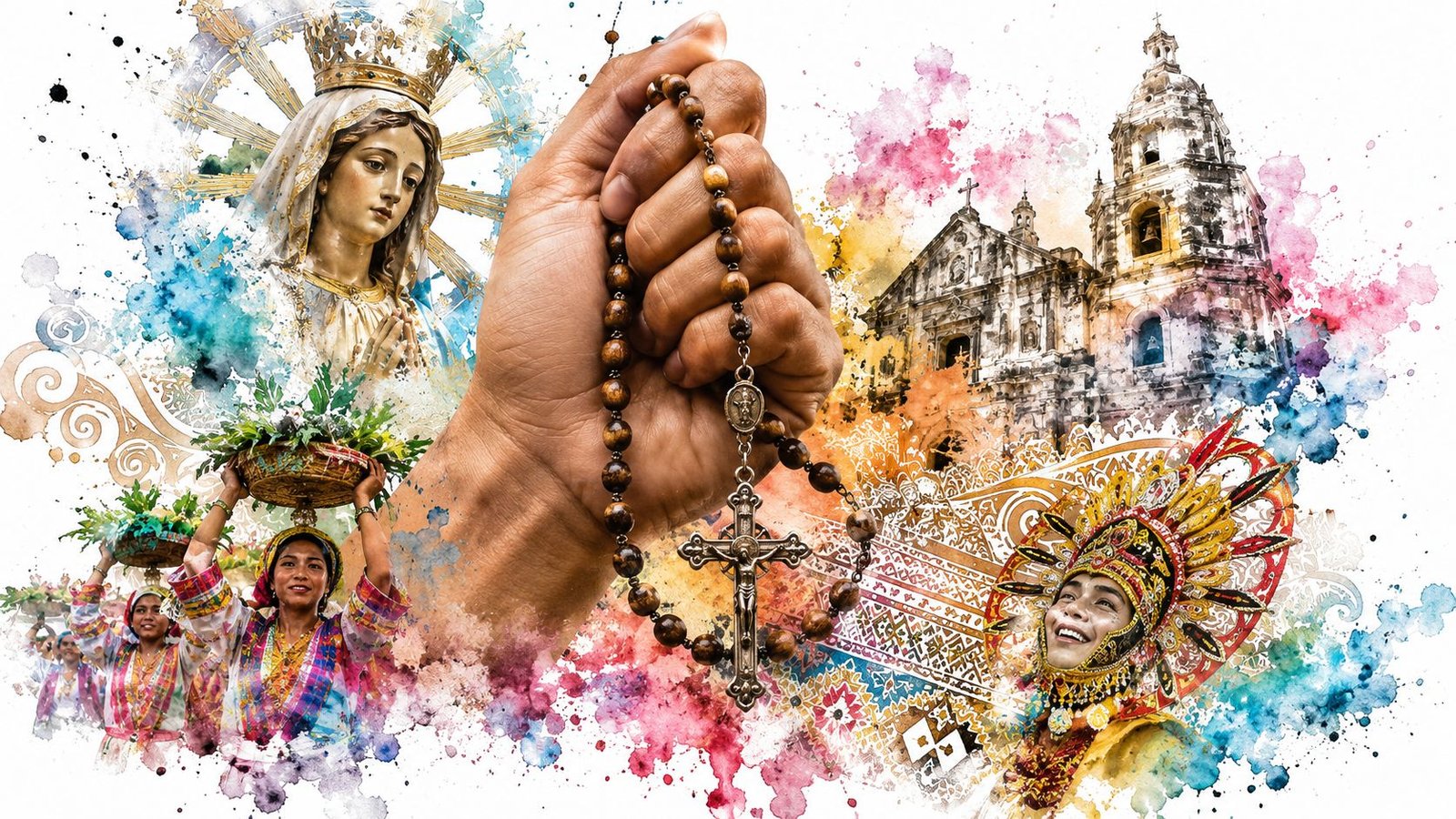
In many Catholic families, the wake includes nightly rosary prayers and a visible rhythm of prayer, visitation, and meals. The pasiyam continues that prayer life after burial, usually across nine days. For families, this creates a clear mourning calendar. For visitors, it helps explain why certain evenings matter more than others.
The 40th day is also widely observed. Later, the first death anniversary, often referred to as babang luksa or waksi in some communities, marks the formal close of mourning with prayer, Mass, and sometimes a shared meal.
Some families appreciate extra devotional support during this period. A gentle resource such as faith-based guidance for loss can help relatives who want prayer ideas without speaking over the family's own traditions.
Mourning in the Philippines is often communal. People don't only attend the wake. They continue showing up in the days that follow.
For those sending flowers, the symbolism also matters. White arrangements are often preferred for solemnity and respect, and readers who want a fuller cultural explanation can see traditional Filipino funeral flower meanings.
Pamahiin and practical caution
Pamahiin can affect how a wake is run, even in modern Metro Manila. Some households avoid sweeping during the wake. Some discourage taking food home. Mirrors may be covered. Bright colours are often avoided in the room.
Another widely recognised custom is pagpag, where mourners make a brief stop somewhere else before going home. Not every family insists on every practice, but many people still treat these customs seriously.
A respectful visitor doesn't need to debate these beliefs. It is enough to notice the household's rules and follow them.
- If food is offered, accept politely or decline gently.
- If prayers begin, remain quiet and let the family lead.
- If a household has specific rules, don't treat them as optional.
- If the family belongs to a different church tradition, avoid assuming a Catholic format.
Etiquette for Visitors Attending a Wake
The main purpose of attending a wake is to offer presence, respect, and calm support to the family. Nothing elaborate is required. What matters is showing up properly and behaving with care.
What to wear
Choose modest clothing in subdued colours. Black is common, but it's not the only acceptable choice. White, grey, brown, and other muted tones are usually appropriate as long as the overall look is simple.
Avoid bright prints, flashy accessories, and anything that feels festive. A filipino funeral wake is not the place for statement dressing. In a home wake especially, quiet presentation helps the family feel that visitors understand the mood of the house.
What to say and do
Short condolences are enough. "My condolences", "I'm so sorry for your loss", or "Nakikiramay po" are all appropriate. Long speeches usually aren't necessary unless the family clearly wants to talk.
If the line to greet the family is moving, keep things brief and sincere. Some visitors bow slightly, some place a hand over the chest, and some speak softly and move aside.
A few practical points help:
- Approach the casket respectfully if the family is receiving visitors that way.
- Greet the closest relatives first when possible.
- Keep phones silent and avoid taking photos unless the family has clearly said it's acceptable.
- Offer abuloy discreetly if the family has a donation box, envelope system, or a relative receiving contributions for expenses.
Visitor advice: A quiet visit is never a small gesture. In many families, simple presence is remembered long after the flowers are gone.
When to visit and how long to stay
Wakes often run late into the evening, and many visitors come after work. That's normal. It is also acceptable to attend at night if that is when the family is available to receive guests.
A short visit can still be meaningful. If prayers are about to begin, staying through the rosary is often appreciated. If the space is crowded, a respectful stay and a gentle exit can be kinder than lingering too long.
Children may attend if they can remain calm and the family is comfortable with it. The right choice depends on the age of the child, the emotional setting, and the wishes of the bereaved household.
Choosing and Sending Sympathy Flowers
Sending bulaklak ng patay is one of the clearest and most accepted ways to express sympathy in the Philippines. The right arrangement depends on the relationship, the venue, and how visible the tribute needs to be.
Which arrangement suits the relationship
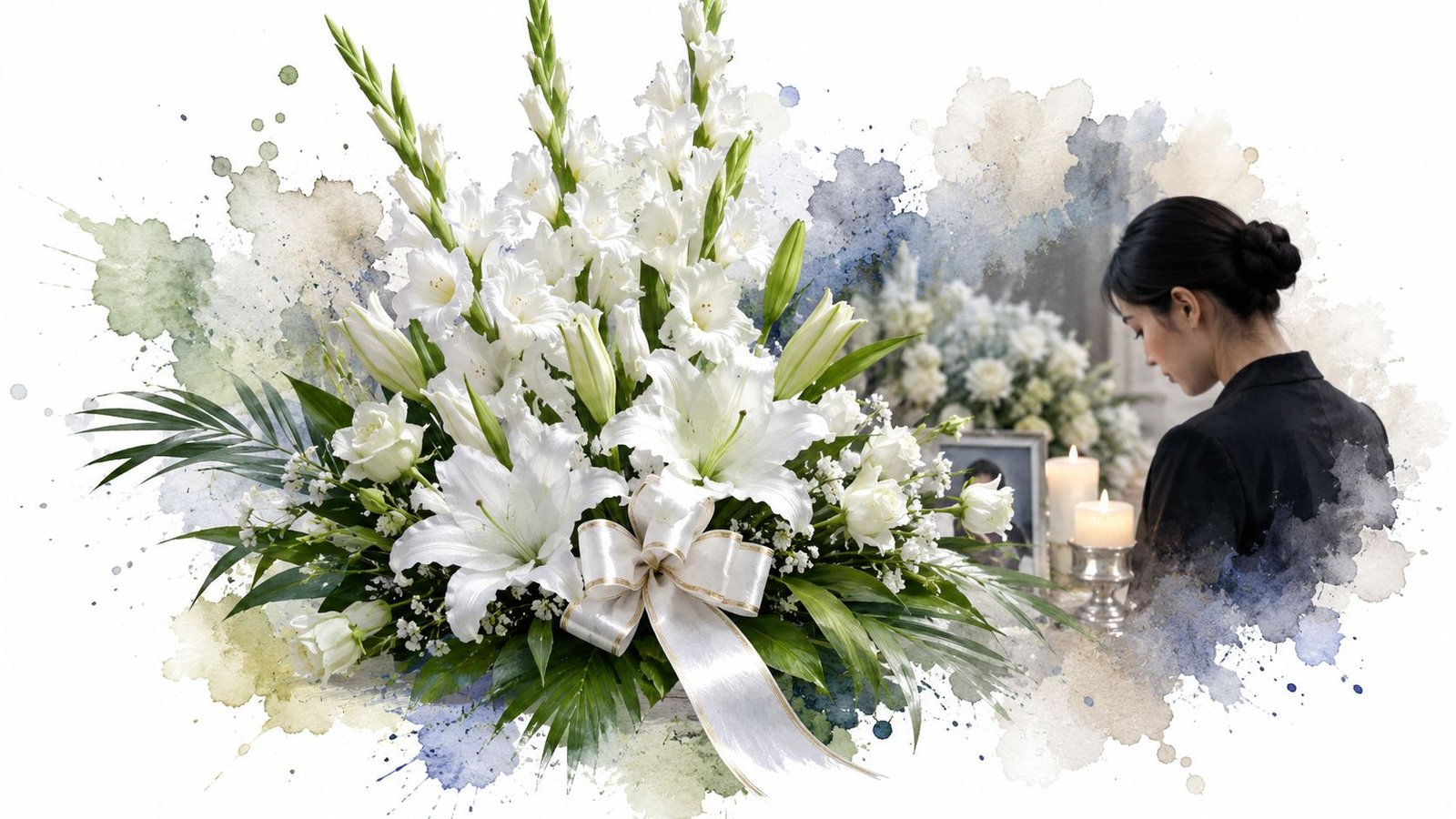
A standing spray is often chosen by offices, friend groups, or extended family because it is formal and easy to place near the wake area. A wreath creates a classic tribute that fits many chapel and funeral-home layouts.
Sympathy baskets feel more personal and are often suitable when space is tight or when the sender wants something gentler in scale. Casket sprays are usually arranged by the immediate family, not by casual visitors.
A useful starting point is this:
| Arrangement type | Usually suitable for | Practical note |
|---|---|---|
| Standing spray | Offices, organisations, larger groups | High visibility, needs floor space |
| Wreath | Friends, relatives, formal condolences | Traditional and easy to recognise |
| Basket arrangement | Personal tributes, smaller spaces | Good for controlled venues |
| Casket spray | Immediate family | Best coordinated directly with funeral plans |
Readers comparing forms can browse types of funeral flower arrangements.
Flower choices and ribbon wording
White lilies, chrysanthemums, roses, and orchids are commonly chosen for sympathy arrangements in Metro Manila because they read as solemn, clean, and respectful in chapel settings. Heat and travel time also matter. Flowers that look good in a cool showroom may struggle in traffic, open-air home wakes, or long waiting periods before setup.
Ribbon wording should be short. In practice, short messages read better from a distance and fit standard ribbon layouts more cleanly. Keep the message sincere, then place the sender name underneath.
Examples include:
- With Deepest Sympathy
- Our Prayers Are With You
- Rest in Peace
- From Your Loving Family
For more wording ideas, see funeral flower message examples for ribbons and cards.
A florist handling Metro Manila wake deliveries should also ask where the arrangement will stand. A tribute for a residence gate, narrow chapel hallway, or air-conditioned viewing room can't be designed in exactly the same way. That practical detail often matters more than people expect.
How to Order Flowers for a Metro Manila Wake
A common Metro Manila problem happens like this. The flowers are already on the way, but the sender only gave the funeral home name, not the chapel, room, or family contact. The rider arrives, the staff checks several wakes, and the tribute reaches the wrong room late or not at all. That kind of mistake is avoidable.

Details that must be confirmed
Before any florist starts the arrangement, confirm the deceased's full name, exact wake venue, chapel or room number, and one reachable contact person. In Metro Manila, "deliver to the funeral home" is often incomplete instruction. Large chapels handle several services at the same time, and even smaller venues may have separate viewing rooms or receiving areas.
The venue type matters just as much as the address. A home wake in a village street, a chapel in a memorial complex, and a funeral home with controlled receiving procedures all require different handling. At a residence, the rider may need to coordinate with a gate guard, narrow parking access, or a family member who can receive the piece quickly. At a funeral home, staff may accept the arrangement first and place it later, which means the label and sender details must be clear.
Venue-aware delivery in Metro Manila
From a florist's side, the order only becomes easy once the logistics are complete. Good ordering is less about browsing designs and more about matching the tribute to the actual wake setting.
A florist handling Metro Manila wakes should ask:
- Who is the deceased so the arrangement is tagged for the correct wake
- What is the exact venue including chapel, room, subdivision, or landmark
- What time should it arrive so delivery does not clash with prayer, viewing, or transfer
- Who can receive or confirm placement if the family is away from the entrance
- Is the wake at home or in a funeral home because size, stand height, and handling can change
This is especially important for senders who are not physically present. Manila Funeral & Sympathy Flowers handles funeral and sympathy arrangements across Metro Manila, including residence and chapel deliveries, but even an experienced shop still needs complete instructions to avoid delays.
A practical note for OFWs and office senders
OFWs often place orders late at night Philippine time and need fast confirmation without a long back and forth. Office teams usually need one formal sender name, one approved ribbon message, and a clear billing contact. In both cases, the cleanest approach is one complete message sent once.
Include the deceased's full name, complete venue, chapel or room number if any, preferred arrangement style, ribbon wording, sender name, target delivery time, and contact person on site. That single step prevents the usual problems: wrong spelling, missing room number, unclear sender identity, or a tribute arriving after the evening prayer.
Viber 09205518286, Facebook, and Instagram are commonly used for this kind of coordination. If the sender is still comparing flower choices and budget range, a quick look at flower pricing in the Philippines can help set expectations, but the final decision should still follow the venue conditions and the family's tone for the wake.
A Simple Checklist for Arranging a Tribute
A respectful tribute is easier to arrange when the key details are gathered before ordering or visiting.
- Confirm the wake details. Get the deceased's full name, the exact venue, and the chapel or room number if there is one.
- Decide how support will be shown. That may be a visit, flowers, abuloy, or a combination of these.
- Choose a suitable arrangement. Standing sprays work well for formal group condolences. Baskets and wreaths often suit personal tributes.
- Prepare a short ribbon message. Keep it brief, respectful, and easy to read.
- Check the venue type. A home wake, chapel, and funeral home each have different space limits and handling needs.
- Give clear delivery timing. If there is a rosary schedule, evening prayer, or transfer time, avoid having the tribute arrive in the middle of it.
- Leave a reachable contact person. This helps if the rider or florist needs fast confirmation.
A small amount of preparation prevents the most common problems. Wrong chapel, wrong spelling, and unclear sender names create stress the family doesn't need.
Frequently Asked Questions
What is babang luksa
It is the first death anniversary observance that marks the end of formal mourning in many Filipino Catholic families. It is often accompanied by prayer or Mass and sometimes a family gathering.
Is it appropriate to bring children to a wake
It can be, if the child can behave appropriately and the family is comfortable with it. Parents should use judgement based on the setting, the hour, and the child's ability to handle a solemn environment.
What happens after the wake ends
The wake is followed by the funeral service, then burial or cremation arrangements according to the family's religion and plans. The exact order depends on the church tradition and venue.
Can food be sent instead of flowers
It can be appreciated, especially for a home-based lamay, but food is harder to coordinate because of timing, storage, and household preferences. Flowers are usually easier to place and manage.
What is the main difference between a wake and a funeral
The wake is the multi-day vigil and viewing period. The funeral is the final service and committal that follows.
How can relatives abroad contribute something personal
Some families prepare memorial slideshows or tribute videos for chapel screens or private remembrance. For people collecting pictures from relatives in different places, a guide on how to turn photos into funeral videos can be useful when done with the family's approval.
If support is needed with a wake tribute in Metro Manila, Manila Funeral & Sympathy Flowers can assist with respectful arrangement options, venue-aware delivery, and clear coordination through Viber 09205518286, Facebook, or Instagram.